Free · in your browser · no sign-up
Jawline Rating From One Selfie
A jawline rating from a front photo looks at how wide your jaw is compared with your cheekbones and how your face narrows towards the chin. Choose a front-facing selfie to get a jaw score out of 100, the two ratios behind it and the lines on your photo. Free, in your browser, and the photo stays on your device. What a front photo can't show, such as the jaw angle from the side, we say plainly.
The free test runs in your browser: your photo stays on your device.
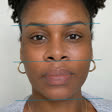 Example: 87/100 AI-generated face · see its full report
Drop a selfie here
Face the camera, arm's length away, even light, hair off the face.
Loading the face model (first time only)…
Tap a part to see its lines.
Measured from this photo's geometry, not a judgement of you. A second photo of the same face usually reads a little differently.
Your full report
Biggest opportunity:
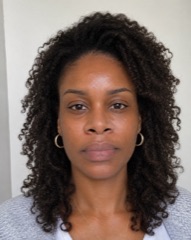
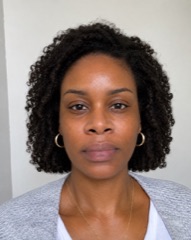




One-time payment. No subscription. 7-day refund if the report fails or is clearly wrong. See a full sample report
This is the sample face. See its full report, or test your own photo to unlock yours.
Why it scored this way
What to do about it
LockedWhat's in the full report
- OverviewOne-line verdict, your three strongest and three weakest measures, and a radar chart.
- ProportionsThirds, fifths, face length to width and symmetry, each placed against the typical range.
- Eyes and browsCanthal tilt, eye spacing, openness, and brow position.
- Nose and midfaceThe front-view ratios we can measure, and what a front photo can't show.
- Lips and jawLip balance, mouth width, jaw to cheekbone width, chin.
- SkinWhat the photo shows about surface tone, shine and under-eye shadow. Appearance only, never a diagnosis.
- Face shape and hairYour face shape, six haircuts that suit it, AI pictures of you with three of them, glasses frames, and beard styles for men.
- ColoursWarm or cool colouring and the clothing colours that suit it.
- Your planFive to eight changes ranked by cost, effort and how soon they show, with why the first one comes first.
How we measure the jaw
After levelling your head, we take two widths and divide each by your cheekbone width (the widest part of the face):
- Jaw width: between the two jaw corners as seen from the front.
- Chin width: across the face just above the chin, which shows how much the lower face tapers.
Each ratio is compared with our reference faces (separately for women and men if you pick one). The score is 100 at the reference average, about 85 one typical spread away, about 58 two spreads away, and never below 40. It is the same formula as the parts of the attractiveness test.
Why a wider jaw doesn't score higher
A wider, squarer jaw is not automatically better here: a jaw much wider than typical lowers the score just as a much narrower one does, because what we measure is balance with your cheekbones. The labels next to your score tell you which way you lean (wider, typical or narrower jaw; broad, typical or tapered chin), so you can read it either way.
Even among our 45 reference faces the jaw score ranged from 57 to 100, so a low number is common and means little on its own.
What a front photo can't measure
- The jaw angle (gonial angle), chin projection and the line under the chin. These need a side-profile photo, which this front-view test does not measure.
- How sharp or defined the jaw looks. That depends on light, shadow and soft tissue, not on where the points sit.
- A full beard can hide the jaw edge; the points then follow the beard outline.
Photo tips
- Keep your chin level. Tucking it makes the jaw look wider; lifting it makes the face look shorter.
- Camera at eye level and at least an arm's length away; close-ups narrow the jaw.
- Hair behind the ears so the jaw corners are visible. Neutral face, mouth closed.
The full report
This page shows one measure. The full report reads every part of your face from the same numbers, describes your skin's appearance, colouring, hair and brows from a small copy of your photo (deleted within 2 hours), shows AI pictures of you with three haircuts for your face shape, and ends with a ranked styling plan. $14.99 once, no subscription, 7-day refund if it fails or is clearly wrong. What's in the report.
Questions
How do I rate my jawline?
Choose a straight-on selfie with your chin level. The test runs in your browser, measures jaw width and chin width against your cheekbones and gives a score out of 100, plus whether your jaw reads wider, typical or narrower than our reference faces.
What is a good jawline ratio?
In our reference faces jaw width averaged about 79% of cheekbone width for women and 82% for men. Being close to that scores highest. A ratio well above it reads as a wide, square jaw; well below as a narrow, tapered one.
Does the jawline rating work for women and men?
Yes. Pick Women, Men or Everyone above the photo box to compare your jaw and chin ratios with that reference group; women's jaws are a little narrower on average.
Can an AI jawline rating tell if my jaw is sharp?
Not from a front photo. Sharpness is about shadow and the angle from the side. This test measures widths, which is what a front photo can show reliably.
Does a beard affect the jawline test?
Yes. With a full beard the points follow the beard, so the jaw reads wider and squarer than the bone underneath. For a fair reading use a photo with short stubble or none.
How can I make my jawline look better in photos?
Camera slightly above eye level, chin pushed a little forward and down, light from the front and side. A beard shape that is fuller at the chin and tighter at the cheeks also sharpens the line. These are styling tips, not medical advice.
Is jawline rating the same as face shape?
They overlap. The jaw-to-cheekbone ratio is one of the four measures in our face shape detector, which also uses face length, forehead width and chin width.
More free face tests
- Attractiveness testOverall score and all five parts
- Canthal tilt testEye tilt in degrees, each eye
- Facial symmetry testLeft against right, midline drawn
- Face shape detectorOval, round, square, heart, oblong or diamond
- Golden ratio face calculatorFive ratios next to 1.618
- PSL scale testYour score on a 1–8 scale