Free · in your browser · no sign-up
Canthal Tilt Test: Positive, Neutral or Negative?
Canthal tilt is the angle of the line from the inner corner of your eye to the outer corner. Upload a front-facing selfie and we measure it for each eye in degrees, tell you whether it reads positive, neutral or negative, and draw the lines on your photo. Free, and the photo stays on your device.
The free test runs in your browser: your photo stays on your device.
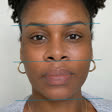 Example: 87/100 AI-generated face · see its full report
Drop a selfie here
Face the camera, arm's length away, even light, hair off the face.
Loading the face model (first time only)…
Tap a part to see its lines.
Measured from this photo's geometry, not a judgement of you. A second photo of the same face usually reads a little differently.
Your full report
Biggest opportunity:
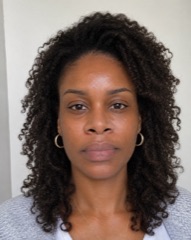
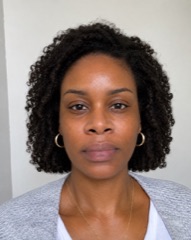




One-time payment. No subscription. 7-day refund if the report fails or is clearly wrong. See a full sample report
This is the sample face. See its full report, or test your own photo to unlock yours.
Why it scored this way
What to do about it
LockedWhat's in the full report
- OverviewOne-line verdict, your three strongest and three weakest measures, and a radar chart.
- ProportionsThirds, fifths, face length to width and symmetry, each placed against the typical range.
- Eyes and browsCanthal tilt, eye spacing, openness, and brow position.
- Nose and midfaceThe front-view ratios we can measure, and what a front photo can't show.
- Lips and jawLip balance, mouth width, jaw to cheekbone width, chin.
- SkinWhat the photo shows about surface tone, shine and under-eye shadow. Appearance only, never a diagnosis.
- Face shape and hairYour face shape, six haircuts that suit it, AI pictures of you with three of them, glasses frames, and beard styles for men.
- ColoursWarm or cool colouring and the clothing colours that suit it.
- Your planFive to eight changes ranked by cost, effort and how soon they show, with why the first one comes first.
What canthal tilt is
Draw a line from the inner corner of the eye (the medial canthus) to the outer corner (the lateral canthus). If the outer corner sits higher, the tilt is positive; if the two are level it is neutral; if the outer corner sits lower it is negative. It describes the shape of the eye opening, nothing more. Many attractive faces have a neutral or slightly negative tilt, and the angle you see in a photo changes with expression and with how the head is held.
How we measure it
MediaPipe Face Landmarker finds 478 points on your face in your browser. We undo up-and-down head tilt, side turn and lean first, so the eyes sit level, then take the angle of each eye's corner-to-corner line against the line through both eyes. You get the right eye, the left eye, the average and the gap between them.
MediaPipe's corner points sit slightly inside the visible corners, so our degrees can differ by a degree or two from a hand measurement on the same photo. Compare your number with our ranges below, not with figures from another tool.
What the numbers mean
| Reading | Average of both eyes |
|---|---|
| Positive | +2° or more |
| Neutral | between −2° and +2° |
| Negative | −2° or less |
In our 45 AI-generated reference faces the average tilt was +5.1° for women and +2.2° for men (typical spread about ±1.4° and ±1.9°). 33 read positive, 12 neutral and 0 negative. Those faces lean towards conventionally attractive, so real selfies spread wider.
In the overall attractiveness test, canthal tilt is one of three measures in the eye area, which is 15% of the score. Only a tilt below the reference average costs points; a higher tilt never does.
What a photo can't tell you
- Head angle: the outer corners sit slightly further back than the inner ones, so tipping the chin down makes them look higher (more positive) in a photo and lifting it makes them look lower. We correct most of this and warn above 12°.
- Expression: smiling lifts the outer corners. Use a relaxed face.
- Heavy lashes, hair or glasses frames over the corners can move the points.
- It is a measurement of eye shape in one photo, not a judgement of how your eyes look in person.
Photo tips
- Camera at eye level, at least an arm's length away. Close-up selfies make the nose look larger and the face narrower.
- Face the lens straight on with a neutral expression and your mouth closed.
- Soft, even light from the front; hair pulled away from the forehead, cheeks and jaw.
- Glasses off if you can. One face in the frame, and only a photo of yourself.
The full report
This page shows one measure. The full report reads every part of your face from the same numbers, describes your skin's appearance, colouring, hair and brows from a small copy of your photo (deleted within 2 hours), shows AI pictures of you with three haircuts for your face shape, and ends with a ranked styling plan. $14.99 once, no subscription, 7-day refund if it fails or is clearly wrong. What's in the report.
Questions
What is canthal tilt?
The angle of the line from the inner corner of your eye (the medial canthus) to the outer corner (the lateral canthus). If the outer corner sits higher it is positive, level is neutral, and lower is negative.
How do I test my canthal tilt?
Choose a straight-on selfie taken at eye level with a relaxed face. This canthal tilt tester runs in your browser, levels your head, measures each eye in degrees and draws the corner-to-corner lines on your photo without uploading it.
What is a good canthal tilt?
There is no single good number. In our reference faces women averaged +5.1° and men +2.2°. A neutral or slightly negative tilt is common in attractive faces too; tilt is one small part of how eyes read.
What is a negative canthal tilt, and is it bad?
It means the outer corner sits lower than the inner corner (−2° or less on our scale). It isn't bad. It changes the expression the eyes give (often softer or more tired-looking in photos), not whether a face is attractive. In our score only the eye area counts it, and that part is 15% of the total.
Positive vs negative canthal tilt: what's the difference?
Positive: the outer corner is higher than the inner corner, so the eye angles upwards. Negative: the outer corner is lower, so it angles downwards. Neutral: roughly level, within 2° either way on our scale.
Can you change your canthal tilt?
The angle comes from the bone and eyelid structure, so it doesn't change with exercises. What changes how it reads in photos is styling: eyeliner drawn slightly upwards at the outer corner, brows groomed so the tail isn't drooping, and holding the camera at eye level. The full report covers brow and glasses styling from your measurements. We don't give surgical or medical advice.
Why are my two eyes different?
Almost everyone's are. The gap averaged 0.5° in our reference faces. A larger gap often comes from a slightly turned head, so retake facing the camera straight on before reading much into it.
Is canthal tilt the same as hunter eyes?
No. "Hunter eyes" is a looks-forum term for deep-set eyes with a positive tilt and little visible upper lid. Canthal tilt is just the corner-to-corner angle, which is one part of it.
More free face tests
- Attractiveness testOverall score and all five parts
- Facial symmetry testLeft against right, midline drawn
- Face shape detectorOval, round, square, heart, oblong or diamond
- Jawline ratingJaw and chin width against cheekbones
- Golden ratio face calculatorFive ratios next to 1.618
- PSL scale testYour score on a 1–8 scale