Free · in your browser · no sign-up
Face Shape Detector: What Is My Face Shape?
This free AI face shape detector measures four proportions from one front-facing selfie and tells you which of six shapes your face is closest to: oval, round, square, heart, oblong or diamond. You see the four ratios behind the answer and the outline on your photo. It runs in your browser and the photo never leaves your device.
The free test runs in your browser: your photo stays on your device.
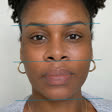 Example: 87/100 AI-generated face · see its full report
Drop a selfie here
Face the camera, arm's length away, even light, hair off the face.
Loading the face model (first time only)…
Tap a part to see its lines.
Measured from this photo's geometry, not a judgement of you. A second photo of the same face usually reads a little differently.
Your full report
Biggest opportunity:
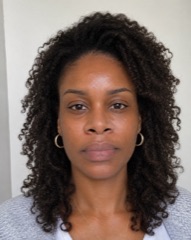
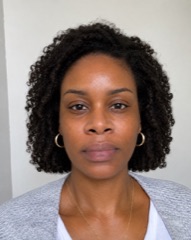
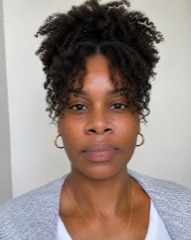


One-time payment. No subscription. 7-day refund if the report fails or is clearly wrong. See a full sample report
This is the sample face. See its full report, or test your own photo to unlock yours.
Why it scored this way
What to do about it
LockedWhat's in the full report
- OverviewOne-line verdict, your three strongest and three weakest measures, and a radar chart.
- ProportionsThirds, fifths, face length to width and symmetry, each placed against the typical range.
- Eyes and browsCanthal tilt, eye spacing, openness, and brow position.
- Nose and midfaceThe front-view ratios we can measure, and what a front photo can't show.
- Lips and jawLip balance, mouth width, jaw to cheekbone width, chin.
- SkinWhat the photo shows about surface tone, shine and under-eye shadow. Appearance only, never a diagnosis.
- Face shape and hairYour face shape, six haircuts that suit it, AI pictures of you with three of them, glasses frames, and beard styles for men.
- ColoursWarm or cool colouring and the clothing colours that suit it.
- Your planFive to eight changes ranked by cost, effort and how soon they show, with why the first one comes first.
How the detector decides
We level your head and measure four ratios, each compared with our reference faces in typical spreads (standard deviations, where ±1 is ordinary variation):
- Length to width: upper forehead to chin, against cheekbone width.
- Jaw to cheekbones: jaw width against cheekbone width.
- Forehead to cheekbones: width at the temples against cheekbone width.
- Chin width: width just above the chin against cheekbone width.
Then the first rule that fits wins: oblong if the face is clearly longer than typical (1 spread or more); square if it is a little short and the jaw is clearly wide; round if it is clearly short; heart if the forehead is wide, the jaw narrow and the chin not broad; diamond if the forehead is clearly narrow and the jaw a little narrow; otherwise oval.
The six face shapes
| Shape | What it means here | Styling direction |
|---|---|---|
| Oval | No measure stands out: length, jaw, forehead and chin all near typical. | Most haircuts and frames work; pick by hair type. |
| Round | Shorter than typical for its width. | Height on top, angular frames. |
| Square | A little short, with a wide jaw. | Soft layers around the jaw, round or oval frames. |
| Heart | Wide forehead, narrow jaw and chin. | Fullness at chin level, bottom-heavy or rimless frames. |
| Oblong | Longer than typical for its width. | Fringe or side volume, deeper frames. |
| Diamond | Narrow forehead and jaw, cheekbones widest. | Fringe or volume at the forehead, oval or rimless frames. |
Oval is the most common answer because it is the "nothing stands out" result: 30 of our 45 reference faces got it. The full report turns your shape into six haircuts, AI pictures of you with three of them, glasses frames and, for men, beard styles.
Limits
- The hairline isn't measured: the face mesh stops just below it, so a high or low hairline doesn't change your shape here.
- Hair over the cheeks or jaw, a full beard or a big smile can shift the edge points.
- Faces sit on a continuum. If two of your measures are near a cut-off, a second photo may give the neighbouring shape; read the four numbers, not just the label.
Photo tips
- Camera at eye level, at least an arm's length away. Close-up selfies make the nose look larger and the face narrower.
- Face the lens straight on with a neutral expression and your mouth closed.
- Soft, even light from the front; hair pulled away from the forehead, cheeks and jaw.
- Glasses off if you can. One face in the frame, and only a photo of yourself.
The full report
This page shows one measure. The full report reads every part of your face from the same numbers, describes your skin's appearance, colouring, hair and brows from a small copy of your photo (deleted within 2 hours), shows AI pictures of you with three haircuts for your face shape, and ends with a ranked styling plan. $14.99 once, no subscription, 7-day refund if it fails or is clearly wrong. What's in the report.
Questions
What is my face shape?
Choose a straight-on selfie with your hair pulled back. The detector runs in your browser, measures length, jaw, forehead and chin against cheekbone width, and names the closest of six shapes (oval, round, square, heart, oblong or diamond).
How do I tell my face shape without a tape measure?
That's what this does: it measures the same widths from your photo, in proportion, so you don't need a ruler or a mirror tracing.
What is the most common face shape?
With our rules, oval: it means none of the four measures is far from typical. 30 of our 45 reference faces were oval.
What face shape do I have if two seem to fit?
Your measures are probably near a cut-off. Look at the four numbers: the one furthest from typical decides how your face reads, and styling advice for both shapes will usually work.
What hairstyle suits my face shape?
Balance is the usual guide: height on top for a round face, soft layers around a square jaw, fullness near the chin for a heart shape, a fringe or side volume for an oblong face. The full report gives six haircuts for your measured shape and AI pictures of you with three of them.
What is my face shape for glasses?
The usual rule is contrast: angular frames on round faces, rounder frames on square faces, deeper frames on long faces. The full report lists frames for your measured shape.
Does face shape change with weight or age?
It can. Fuller cheeks make a face read rounder and shorter; less fat around the jaw can make it read longer or more tapered. Measure again from a recent photo.